Brotkrümelnavigation:
Hauptinhalt:
Building Bridges for Futures Literacy
What happens when researchers from Austria and Australia come together to rethink how we teach and learn about the future? During a visiting scholar stay at Griffith University, Rita Krebs explored opportunities for international collaboration across three campuses. A highlight was an interactive hybrid workshop bringing together Griffith researchers and adjunct academics to discover the Futures Stories Lab and FuturesComp. The visit sparked inspiring conversations, fresh perspectives, and exciting possibilities for advancing Futures Literacy in education.
Strengthening international research networks and exploring new opportunities for collaboration were at the heart of a visiting scholar stay at the Griffith School of Education and Professional Studies, Griffith University, Australia. During the visit, Rita Krebs, researcher and lecturer at the UNESCO Chair in Learning and Teaching Futures Literacy in the Anthropocene at the University College of Teacher Education Lower Austria, visited all three university campuses and engaged in discussions with researchers about shared interests and potential future collaborations under the guidance of Professor Parlo Singh, Head and Dean of Education and Professional Studies Debbie Heck and Director Steven Hodge.
The exchange provided an opportunity to explore different perspectives on futures-oriented education and transformative learning. Initial discussions focused on identifying common research interests and possibilities for joint research activities, particularly concerning the integration of Futures Literacy into educational practice and teacher education.
A highlight of the visit was a hybrid workshop bringing together Griffith University researchers and adjunct academics, both in person and online. The workshop introduced two central initiatives developed at the UNESCO Chair: the Futures Stories Lab and FuturesComp.
The Futures Stories Lab is an educational approach that combines futures thinking, inquiry-based learning and creative storytelling. Through five phases – Explore, Research, Imagine, Craft and Share – learners are encouraged to critically engage with present-day challenges, explore alternative futures and creatively express their visions of what might be possible.
The FuturesComp, a competence framework for Futures Literacy, provides a foundation for developing and integrating futures-oriented competencies into educational settings. It supports educators in designing learning experiences that encourage learners to question assumptions about the future, embrace uncertainty and explore diverse possibilities.
The workshop offered a valuable opportunity to discuss how these approaches might be adapted to different educational and cultural contexts, while also exchanging perspectives on the role of Futures Literacy in research and teaching.
The visiting scholar stay marked an encouraging first step towards strengthening academic connections between Griffith University and the University College of Teacher Education Lower Austria. The conversations and exchanges opened up promising avenues for continued dialogue and potential international research collaboration in transforming pre-service teacher education and primary and secondary school teaching and learning.
The visit also highlighted the importance of international academic exchange in broadening perspectives on how education can empower learners not only to prepare for the future, but also to imagine and actively shape diverse futures.
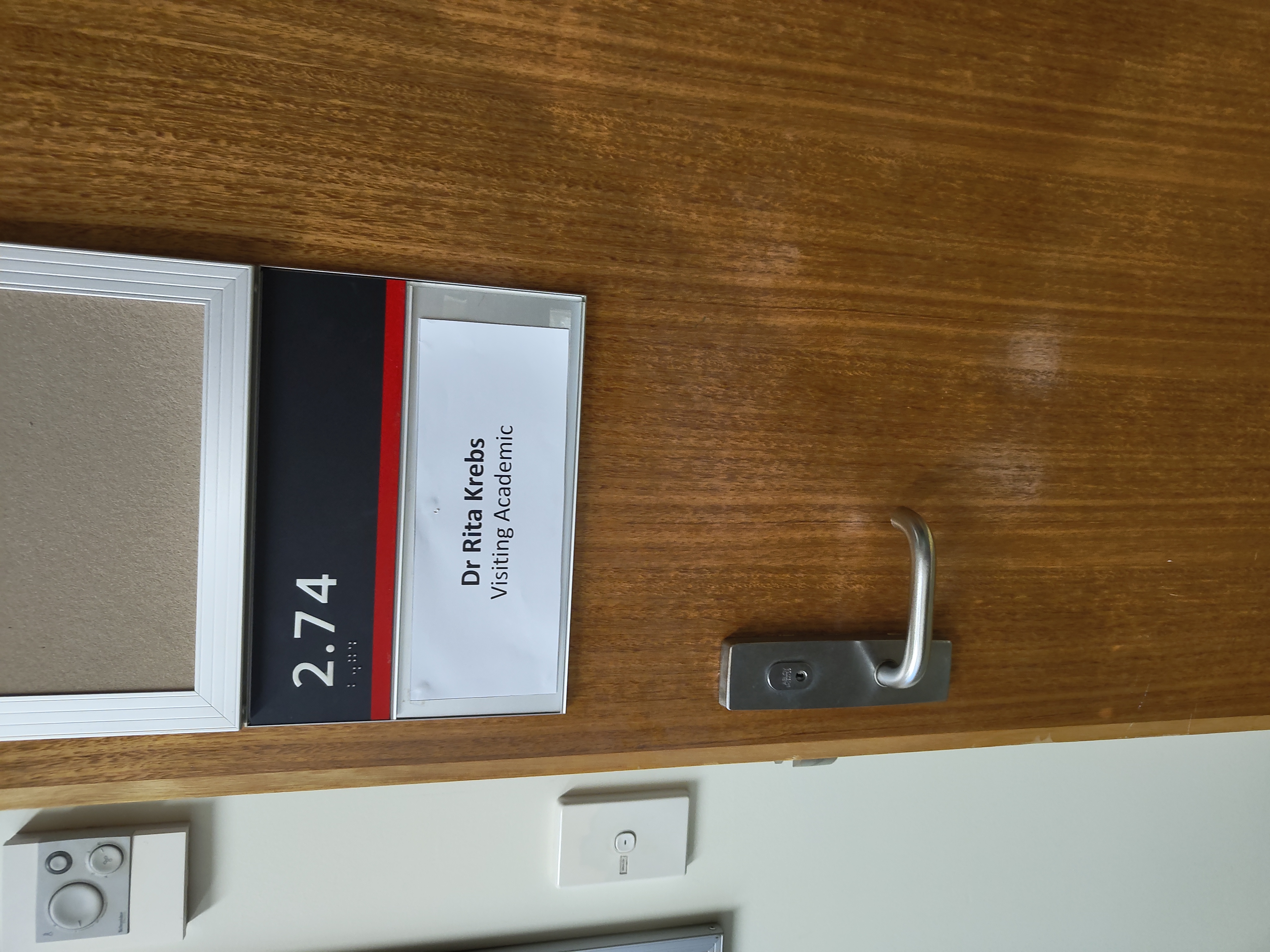
Visiting scholar Rita Krebs worked from Nathan Campus during her stay © Rita Krebs
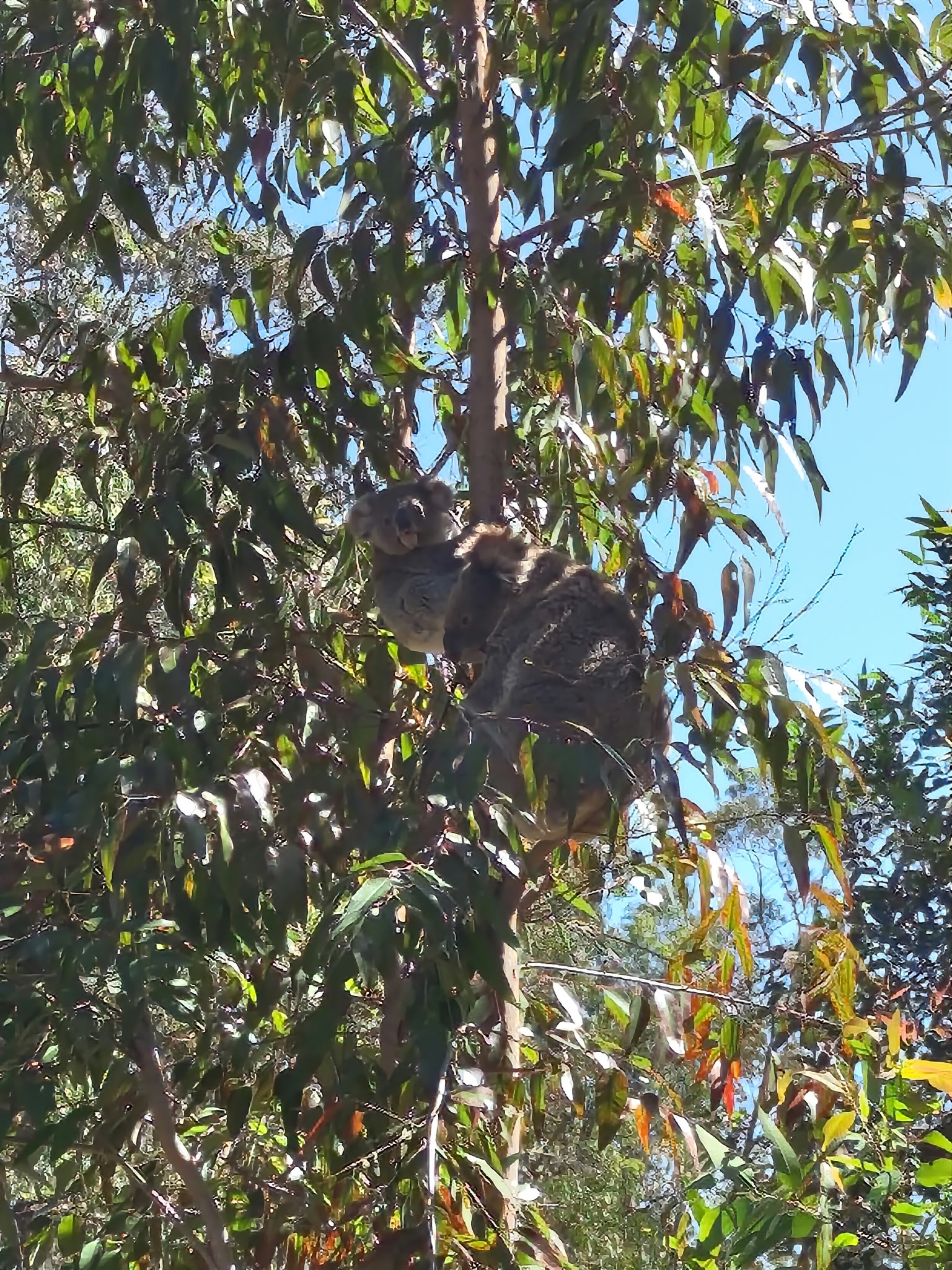
Koalas found at the Nathan Campus of Griffith University © Rita Krebs
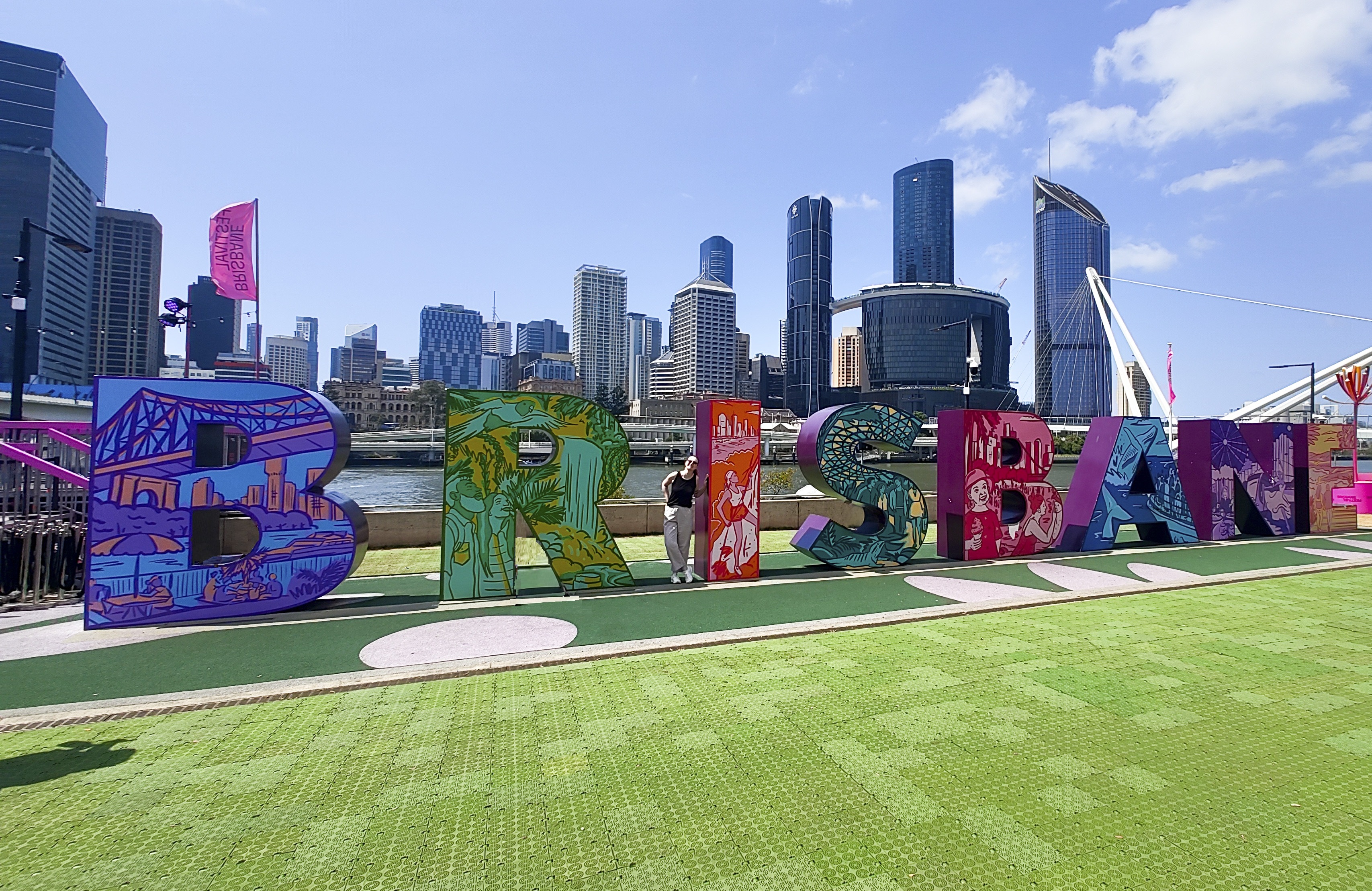
Exploring the city took Rita to the famous Brisbane Sign for a snapshot © Rita Krebs
News-Kategorien
Kontakt Öffentlichkeitsarbeit
Sie erreichen die Stabsstelle für Kommunikation, Hochschulmarketing und Öffentlichkeitsarbeit
der PH NÖ unter oeffentlichkeitsarbeit(at)ph-noe.ac.at
Leitung Öffentlichkeitsarbeit

Severin Praßl-Wisiak
BA BA MA MA
Leiter der Stabsstelle für Kommunikation, Hochschulmarketing & Öffentlichkeitsarbeit